On July 16–17, the 2026 "Mysteel" Mid-Year Conference and the Forum on Collaborative Innovation and High-Quality Development of the Steel Industry Chain were held in Beijing. The conference focused on topics such as domestic and international macroeconomic conditions, pain points in the steel industry's transformation, and opportunities in foreign trade markets, aiming to provide insights and foster synergy for industry practitioners to analyze market trends and plan their strategic layouts.
Keynote speeches were delivered by Xia Nong, Member of the Party Committee and Vice Chairman of the China Iron and Steel Association (CISA); Li Chengjian, Deputy Director of the Department of Macroeconomic Research at the Development Research Center of the State Council; Guo Zhaohui, Chief Commodity Analyst and Managing Director of CICC Research; Cui Xiaodong, Deputy General Manager of the Environmental Development Center of the Ministry of Ecology and Environment and CEC (China Environmental United Certification Center); and Wang Jianhua, Chief Steel Analyst at Mysteel. Zhang Guangzhi, Deputy General Manager of Youfa Group, and Gao Bo, Co-Chairman and President of Mysteel, delivered opening remarks. Su Buxin, Deputy Secretary-General (presiding over work) of the Metallurgical Industry Sub-council of the China Council for the Promotion of International Trade (CCPIT), presided over the conference.
In his speech titled "Optimizing Through Reduction and Leading Through Innovation: Promoting High-Quality Development of my country's Steel Industry," Xia Nong outlined the industry's performance in the first half of the year. Key trends included: the steel market maintaining a state of weak equilibrium; continuous adjustment and optimization of the steel product mix; steel exports retreating from high levels with a year-on-year decline in volume but a slight increase in price; a rise in both average steel prices and raw material procurement costs; and an overall month-on-month increase in profits, surpassing levels from the same period last year.
Xia Nong also discussed the research regarding the steel industry's "15th Five-Year Plan" and key development goals. By 2030, my country aims to further enhance the industrial foundation and overall quality of its steel sector, achieving higher levels of high-end, intelligent, green, and integrated development. The industry seeks to maintain global leadership in technology, equipment, digital transformation, and low-carbon practices, while accelerating the construction of a modern steel industrial system characterized by significant global influence, strong industrial independence, and substantial contributions to development, thereby further supporting Chinese-style modernization.
In his speech titled "Trends and Outlook for Global and Chinese Macroeconomics," Li Chengjian analyzed the current landscape, noting that the global economy maintains strong resilience, while my country's economy is showing steady improvement and making solid progress toward high-quality development. Through long-term development, we have built a solid foundation and created favorable conditions; while we must face difficulties squarely, we must also remain confident in our development. my country is currently undergoing new-type urbanization, a green transition, and digitalization, processes that will continue to unleash significant demand.
In his presentation titled "Geopolitical Shocks and the Global Commodity Landscape," Guo Zhaohui noted three structural shifts in commodity pricing logic this year: first, volatility in the global governance order has structurally altered supply curves; second, changes in global strategic security have reshaped inventory structures; and third, emerging industries have shifted demand curves. He forecasts that the ferrous metals market will generally loosen in the second half of the year, with the marginal cost-based price for iron ore settling around $90 per ton.
In a presentation titled "Carbon Assessment, Carbon Tariffs, Carbon Footprints, and Carbon Assets: Four 'Carbon Lifelines' for Steel Enterprises," Cui Xiaodong pointed out that the steel industry has entered an era of strict carbon policy regulation, characterized by complex domestic and international policies and a constant interplay of risks and opportunities. He advised steel enterprises to take proactive measures to solidify their foundations; while ensuring compliance, they should identify and seize opportunities, effectively managing carbon assets while driving the industry's high-quality development.
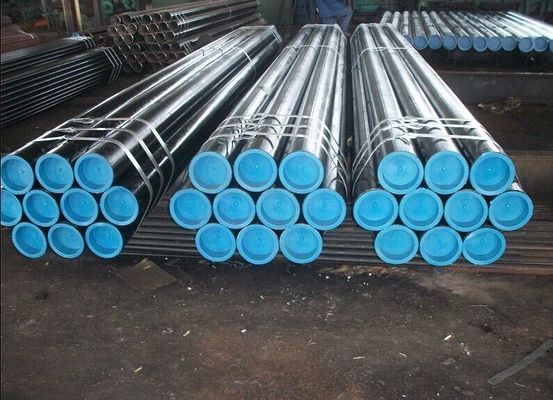
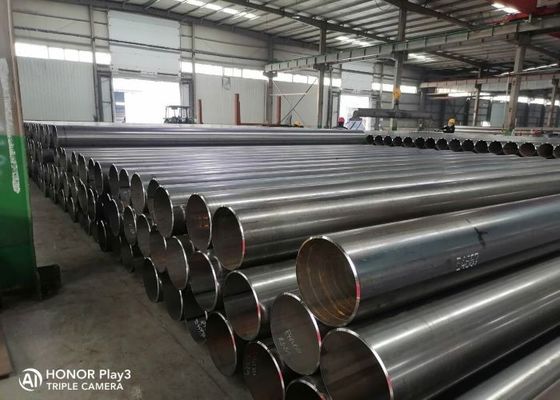
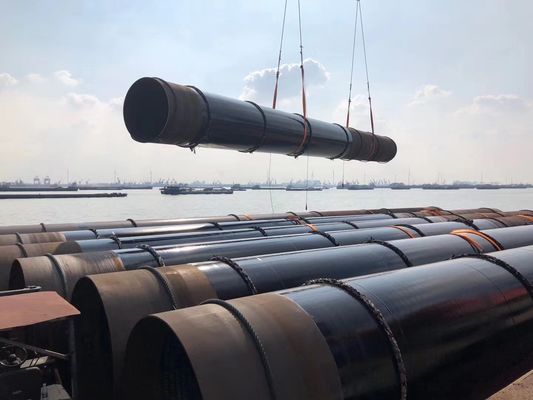
In his presentation, "Initial Slump Followed by Recovery: A Balanced Offensive and Defensive Strategy—A Mid-Year Review and Outlook for my country's Steel Market," Wang Jianhua explained that the steel market in the first half of the year exhibited distinct structural divergence. Specifically, raw materials outperformed finished steel products, high-quality steel outperformed ordinary steel, flat products outperformed construction steel, and steel pipes saw the steepest price declines. He anticipates that steel prices will likely stabilize and rebound at times during the second half of the year, potentially leading to a slight rise in the average annual price.
In his remarks, Zhang Guangzhi noted that the industry stands at a critical juncture as preparations begin for the "15th Five-Year Plan." Aligning with national mandates for the intelligent upgrading, green and low-carbon transition, and deep industrial integration of traditional manufacturing, Youfa Group is actively exploring new paths for the steel pipe industry's transformation. The group is focusing on three key strategic pillars: enhancing efficiency through intelligent technologies, improving quality through green practices, and expanding capacity through industrial integration. In his address, Gao Bo noted that the steel industry has entered a new phase characterized by "growth reduction and structural divergence," with internal industry differentiation accelerating. This year marks the first compliance year for the national carbon market, and the EU’s Carbon Border Adjustment Mechanism (CBAM) has also entered its formal levy phase; consequently, the industry has fully stepped into a new framework defined by policy, carbon cost, and trade rule constraints.
The conference was hosted by the Metallurgical Industry Sub-Council of the China Council for the Promotion of International Trade (CCPIT) and Shanghai Ganglian E-Commerce Co., Ltd. (Mysteel), with Youfa Group serving as a co-host. More than 2,000 representatives from relevant government agencies, industry associations, and companies across the upstream and downstream steel supply chain participated in the event through a combination of online and offline sessions.


 Your message must be between 20-3,000 characters!