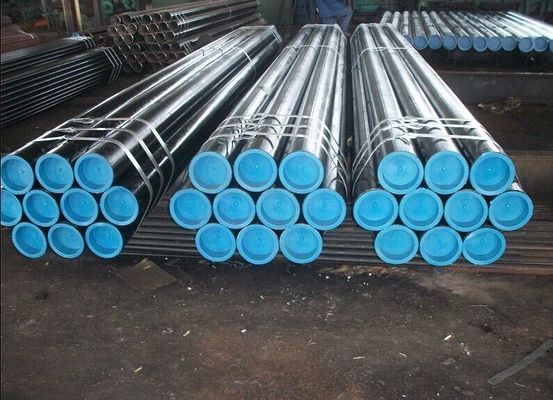
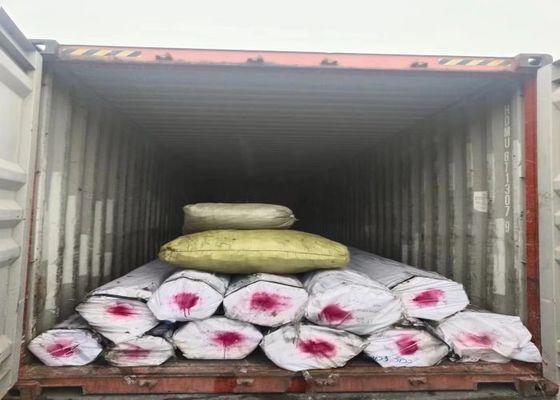
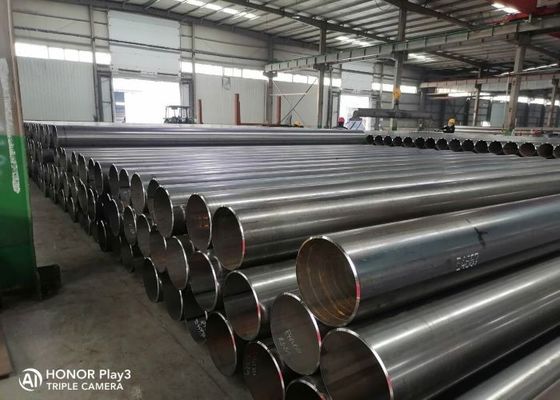
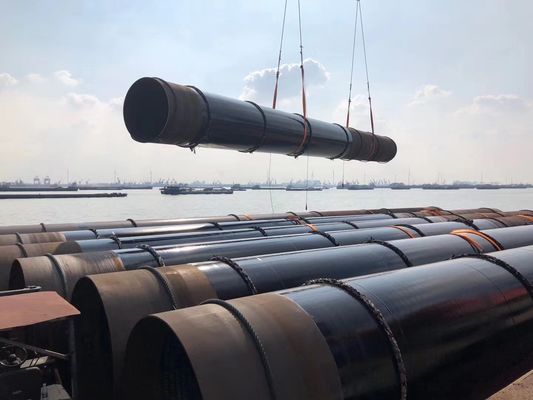
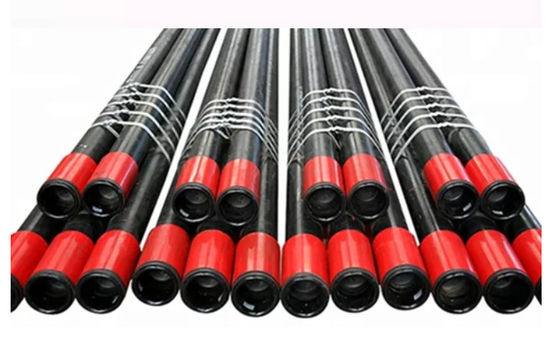
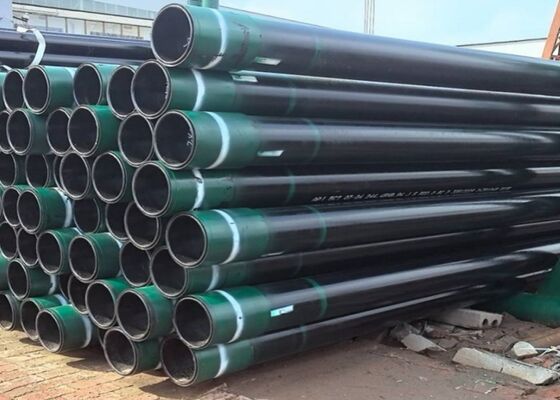
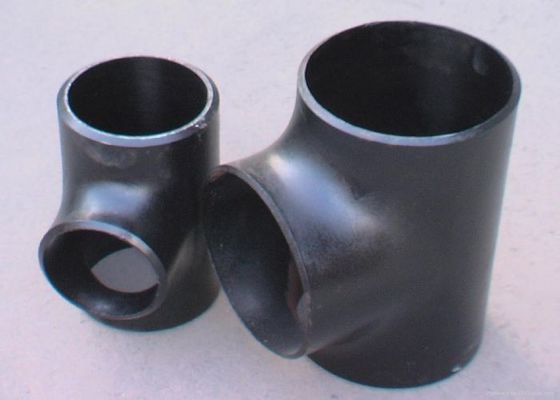
ASTM B163 N02201 seamless tube is a high-performance nickel-based alloy product that complies with the specifications established by the American Society for Testing and Materials (ASTM). As a low-carbon variant of nickel 200, it is characterized by its ultra-high nickel content and excellent comprehensive performance, making it an indispensable key material in numerous harsh industrial environments. This article will comprehensively elaborate on the core properties, sophisticated manufacturing processes, and extensive application fields of ASTM B163 N02201 seamless tubes, providing a detailed reference for industry practitioners and related researchers.
1. Core Properties of ASTM B163 N02201 Seamless Tubes
The outstanding performance of ASTM B163 N02201 seamless tubes stems from its unique chemical composition and rational processing treatment. Its nickel content is not less than 99.0%, with only trace amounts of impurities such as iron (≤0.40%), manganese (≤0.35%), silicon (≤0.35%), carbon (≤0.02%), and copper (≤0.25%). This high-purity nickel composition endows the material with a series of excellent characteristics.
In terms of corrosion resistance, N02201 seamless tubes exhibit exceptional performance, especially in reducing media. They can effectively resist the erosion of various acids, alkalis, and salt solutions, which is crucial for applications in chemical and petrochemical environments with severe corrosion challenges. In terms of temperature adaptability, the material maintains stable mechanical properties over a wide temperature range, from low temperatures to approximately 500°C, and does not experience significant performance degradation even in high-temperature operating conditions. Additionally, it possesses good thermal conductivity and electrical conductivity, as well as excellent plastic forming and welding properties. The low carbon content also helps to avoid intergranular corrosion, further enhancing the material's reliability in long-term service.
In terms of mechanical properties, the annealed N02201 seamless tube has a minimum tensile strength of 345 MPa, a minimum yield strength (0.2% offset) of 83 MPa, and a minimum elongation of 40%, ensuring sufficient structural strength and toughness for various engineering applications. For stress-relieved products, the mechanical properties are further improved, with a minimum tensile strength of 414 MPa and a minimum yield strength of 207 MPa.
2. Manufacturing Processes of ASTM B163 N02201 Seamless Tubes
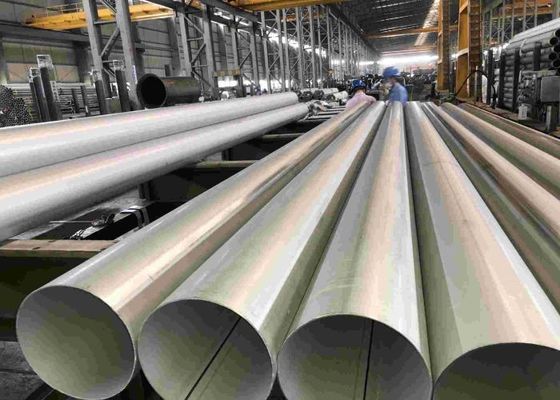
The manufacturing of ASTM B163 N02201 seamless tubes adheres to strict technical standards and undergoes a series of sophisticated processes to ensure product quality and performance stability. The core manufacturing routes mainly include hot rolling and cold rolling, which are selected according to the specifications and application requirements of the finished product.
The hot rolling process is suitable for producing large-diameter seamless tubes. The specific steps include: first, selecting high-purity nickel raw materials that meet the chemical composition requirements for smelting (usually using vacuum induction melting or electroslag remelting to reduce impurity content and ensure composition uniformity); then, heating the smelted billet to an appropriate temperature, and forming a hollow rough tube through piercing, rolling, sizing, and other processes; finally, after cooling, straightening, cutting, and heat treatment, the finished product with uniform structure and stable performance is obtained. The hot rolling process has high production efficiency and is suitable for mass production of medium and large-sized tubes.
The cold rolling (or cold drawing) process is mainly used to produce small-diameter, thin-walled seamless tubes with high precision requirements. Based on the hot-rolled tube blanks, the finished product is obtained through multiple cold rolling or cold drawing processes. This process can significantly improve the dimensional accuracy and surface quality of the tube, making the wall thickness more uniform and the surface smoother. It should be noted that N02201 material is prone to work hardening during cold processing. Therefore, intermediate annealing processes need to be reasonably arranged during the manufacturing process to restore the material's plastic deformation capacity and ensure the smooth progress of subsequent processing.
Regardless of the process route adopted, strict quality control is required throughout the production process. Key inspection items include chemical composition analysis (to ensure compliance with standard requirements), mechanical property testing (tensile strength, yield strength, elongation, etc.), non-destructive testing (ultrasonic flaw detection, eddy current flaw detection, etc.), as well as hydrostatic testing to ensure the tightness and internal quality of the tube. The delivery state of the finished product is usually pickled and annealed, bright annealed, or polished to meet different application environment requirements.
3. Application Fields of ASTM B163 N02201 Seamless Tubes
Benefiting from its excellent corrosion resistance, temperature adaptability, and mechanical properties, ASTM B163 N02201 seamless tubes are widely used in multiple key industrial fields, providing reliable material support for the stable operation of equipment in harsh environments.
In the chemical industry, N02201 seamless tubes are important components for manufacturing reactors, heat exchangers, evaporators, and conveying pipelines. They are particularly suitable for occasions where corrosive media such as caustic soda and acidic solutions are handled, and can effectively resist the corrosion of media and extend the service life of equipment. In the oil and gas industry, due to its good resistance to sulfide and seawater corrosion, it is often used in key parts such as subsea pipelines and oil and gas transmission pipelines, ensuring the safety and efficiency of oil and gas exploration and transportation.
In the power industry, especially in nuclear power projects, N02201 seamless tubes are used in some special components of nuclear power equipment, relying on their stable performance under high temperature and pressure to ensure the safe operation of the nuclear power system. In addition, in the electronic and aerospace fields, it is also used to manufacture precision components such as plater bars and electronic components due to its good electrical conductivity and processing performance. It is also widely used in the manufacture of caustic evaporators, combustion boats, and other equipment, fully demonstrating its versatility in different industrial scenarios.
Conclusion
ASTM B163 N02201 seamless tube, as a high-performance nickel-based seamless tube product, has become a key material in harsh industrial environments due to its excellent corrosion resistance, stable mechanical properties, and sophisticated manufacturing processes. With the continuous development of industries such as chemical engineering, petroleum, and new energy, the application fields of N02201 seamless tubes will be further expanded. In the future, with the optimization of production processes and the improvement of product precision, it will play a more important role in promoting industrial upgrading and technological progress.


 Your message must be between 20-3,000 characters!